Start your day
with a full battery
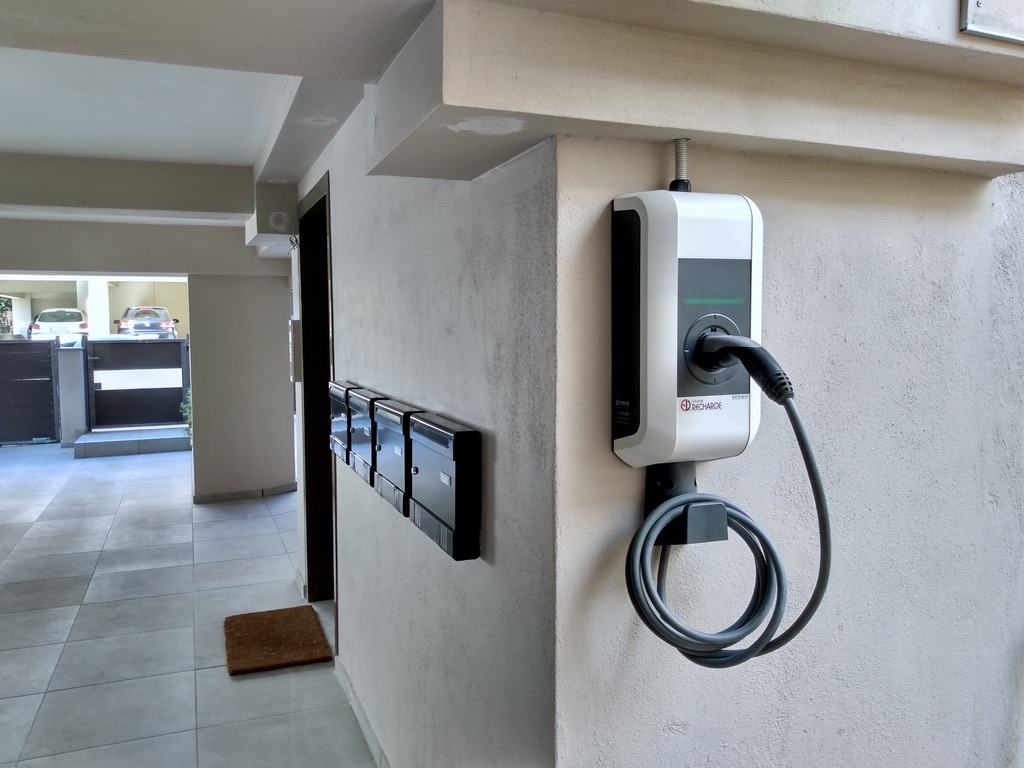
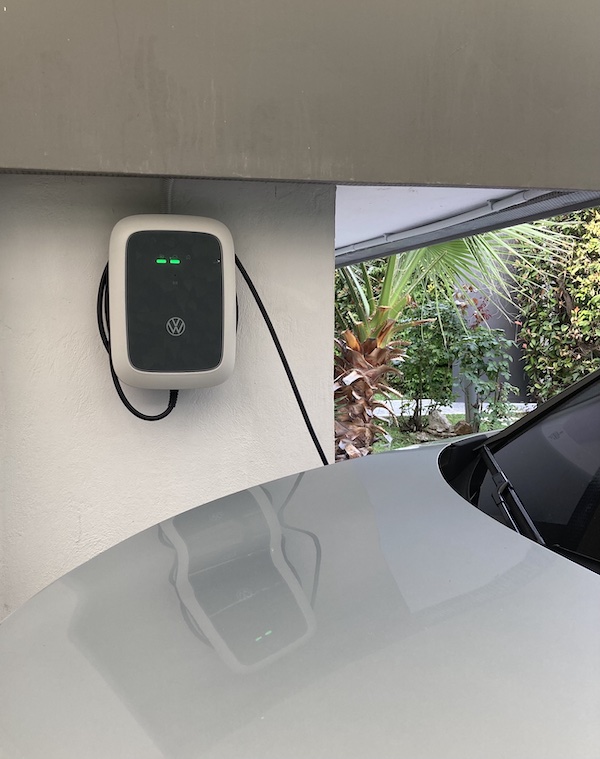
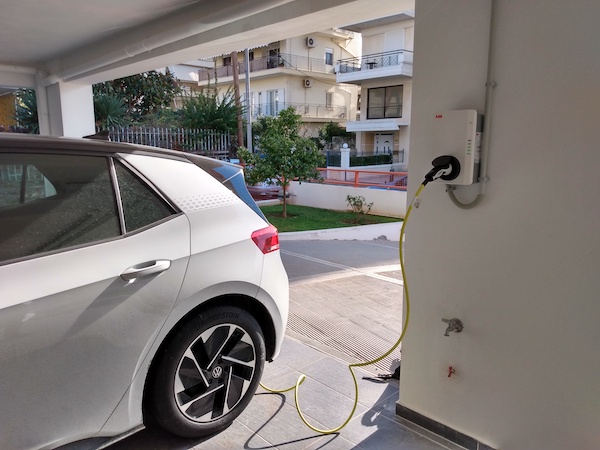
Whether you live in an apartment building or a detached house, all you need is your own parking space to enjoy the most convenient and easy way to always have your vehicle fully charged.
Start Charging Now
Simply plug in your vehicle every time you park and never run out of battery.
Enjoy full control of your charging costs. No markups. No extra fees. No surprises.
No worries about weather conditions, others consuming your electricity, or someone unplugging your vehicle.
Full compliance with all necessary national requirements and standards.
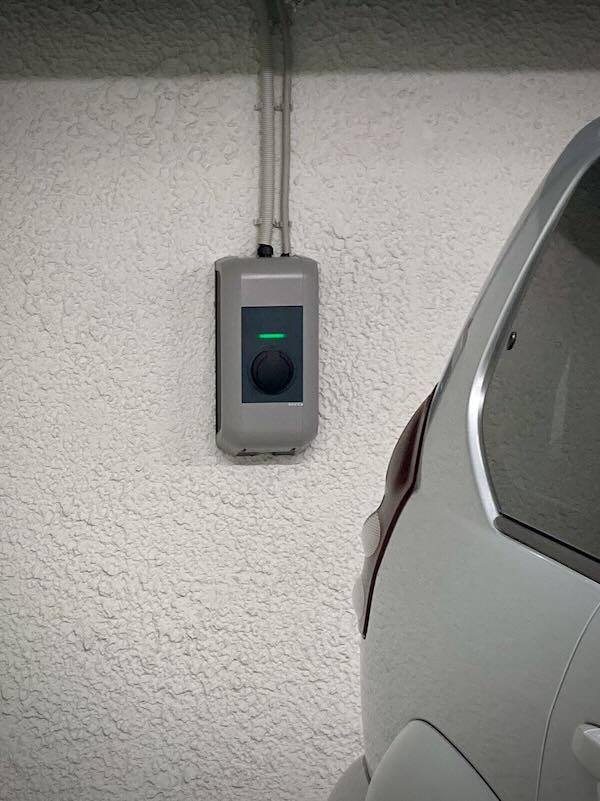
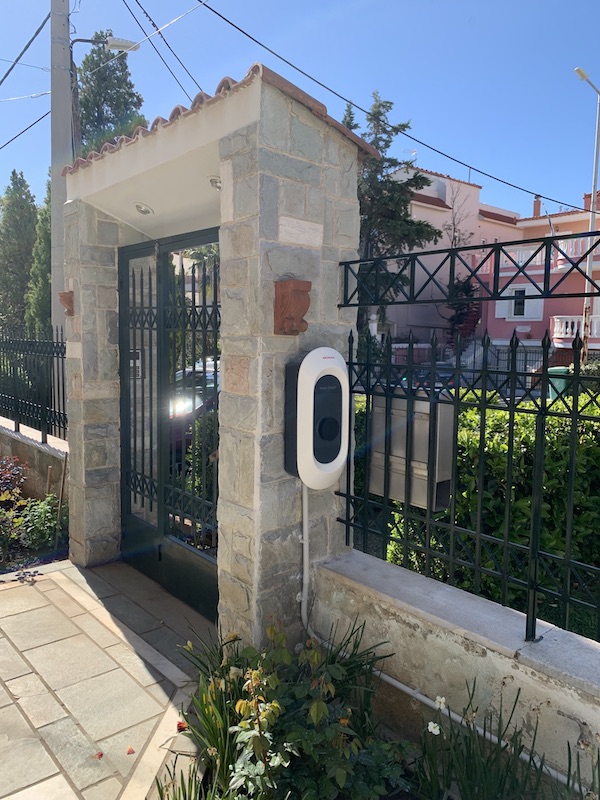
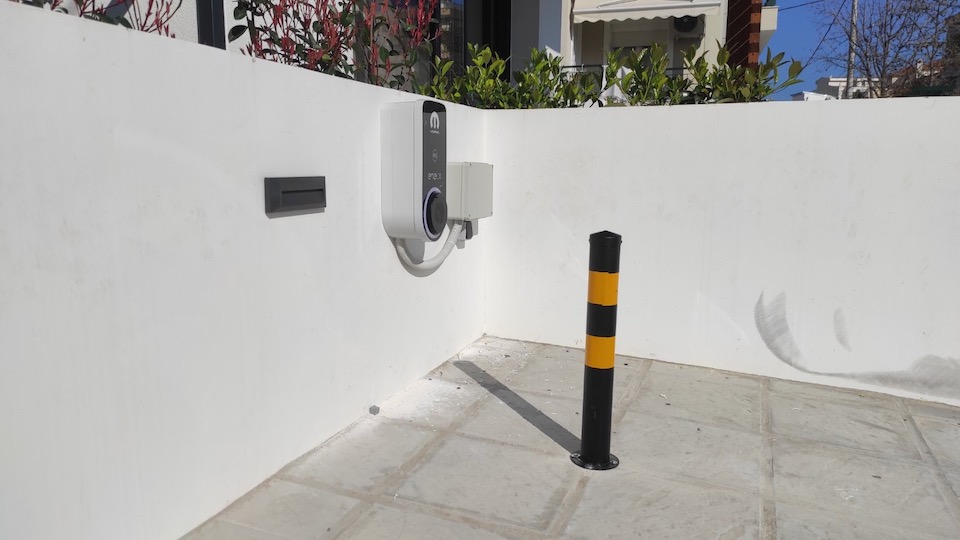
Installation of Every Type of Charger
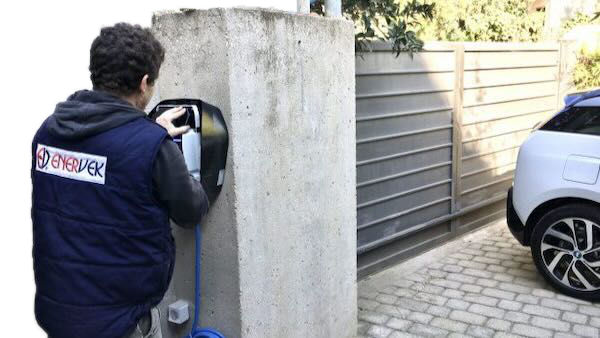
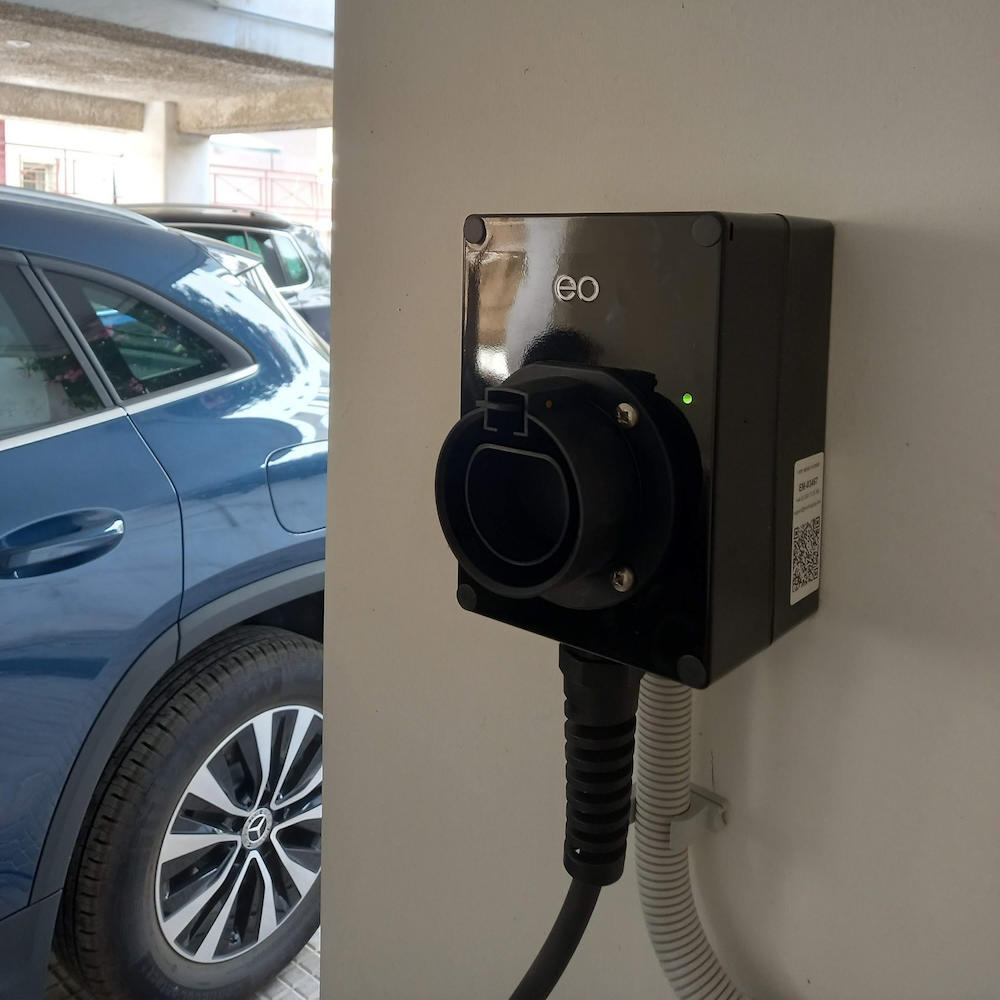
We specialize in all leading charger brands, guaranteeing a smooth and professional installation, regardless of the model you choose.
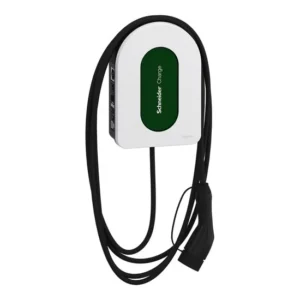
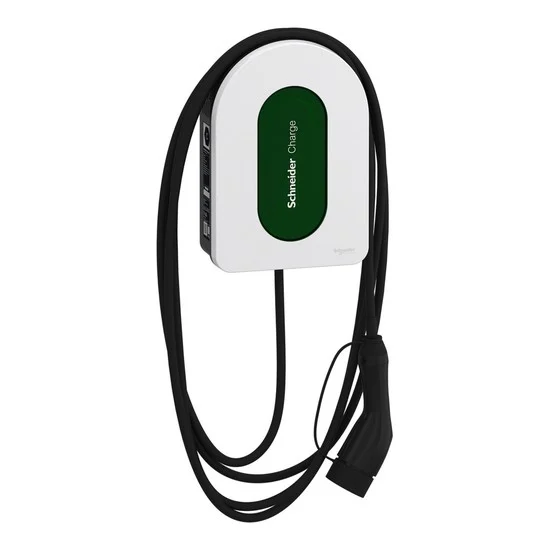
Schneider Electric 7.4kW με ενσωματωμένο καλώδιο
Επίτοιχος μονοφασικός σταθμός φόρτισης με ενσωματωμένο καλώδιο 5m
703,70 € Η τιμή συμπεριλαμβάνει ΦΠΑ 24%
+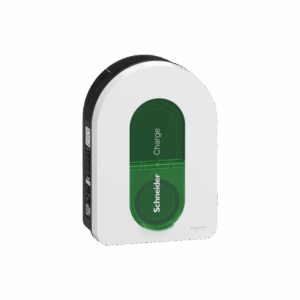
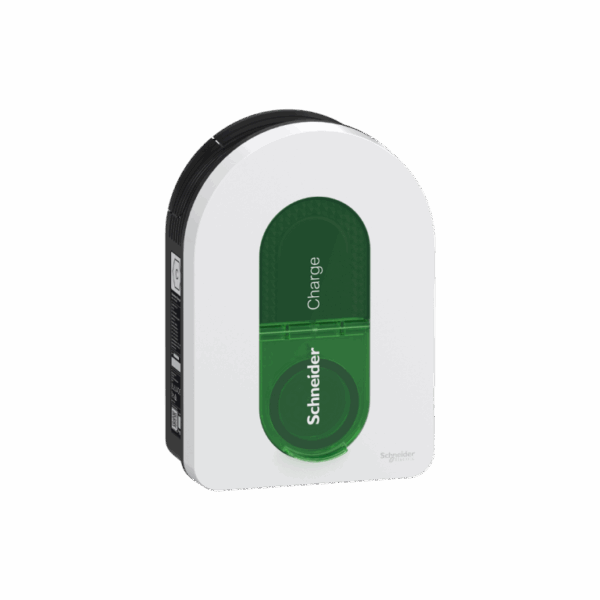
Schneider Electric 22kW με πρίζα τύπου 2
Επίτοιχος τριφασικός σταθμός φόρτισης ισχύος 22kW με πρίζα τύπου 2
768,80 € Η τιμή συμπεριλαμβάνει ΦΠΑ 24%
+

















completed
technicians
to operation
hidden charges
Things to Know
Electric vehicle charging stations are primarily categorized according to the application for which they are intended, which determines the maximum charging speed.

Keep this portable charger in your car for emergencies. If you find yourself without access to a charging station, simply plug it into any standard household socket. Although charging from a household socket is slow, it might be exactly what you need to get home.
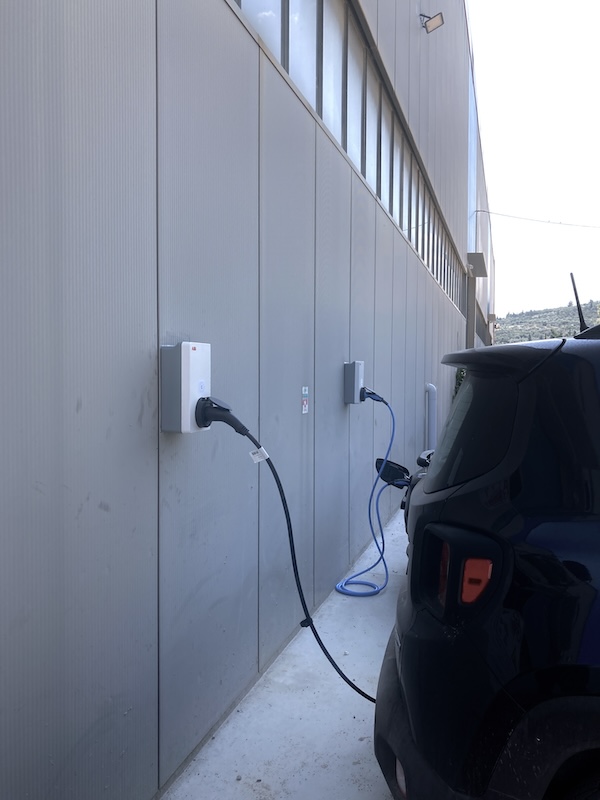
The standard solution for charging any electric or plug-in hybrid vehicle is to use a Level 2 charging station. They can recharge any EV in 1 to 8 hours, depending on the onboard charger, battery capacity, and charge level.
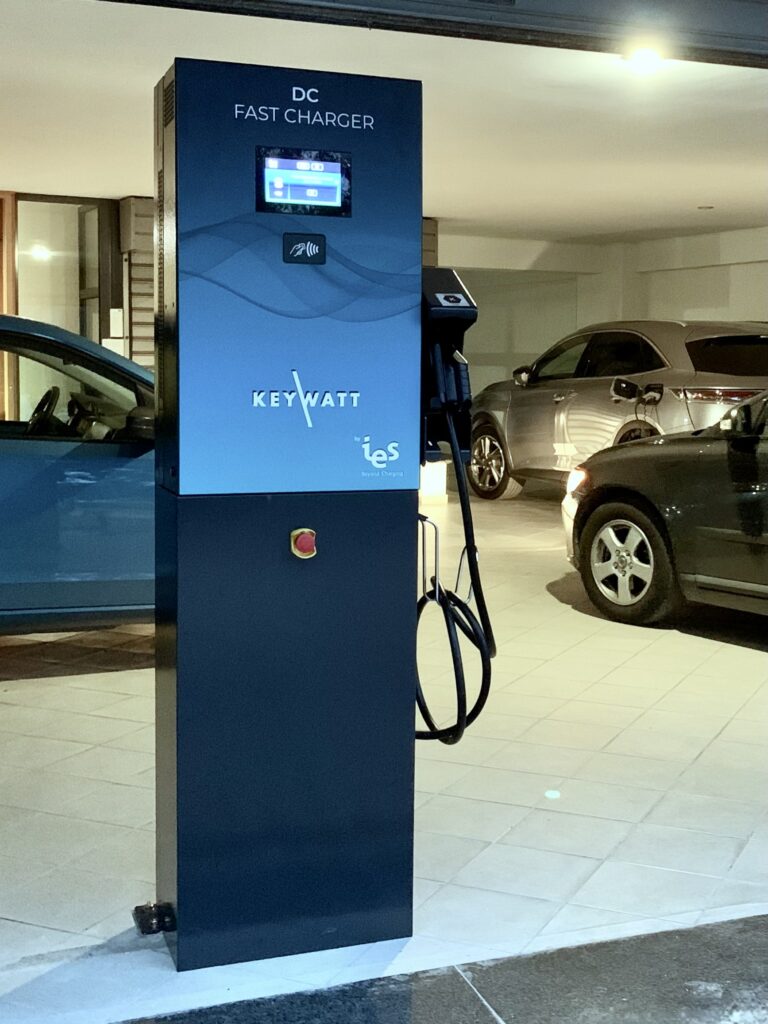
If you own a fully electric vehicle, these are the charging stations you’ll rely on for your travels. In as little as 15 minutes, they can provide 100 km or more of range, significantly reducing your wait time on the road.
- There’s no need to wait until your car’s battery is empty. Whether it’s at 30% or 90%, simply plug it in to charge.
- Charging at night is ideal because the power grid is less loaded. If your electricity supplier has an off-peak rate, you’ll save money too.
Frequently Asked Questions
Yes, as long as you have your own parking space. The connection is made directly after your individual meter. Each owner pays only for the electricity their charger consumes.
If you have a private garage, we recommend a charger with an integrated cable for convenience. If the installation is in a shared or publicly accessible area, a socket-only charger is safer to avoid cable damage.
Commercial models support load balancing across multiple chargers at the same site, ensuring optimal power distribution and faster charging speeds. They also connect to monitoring platforms that offer online diagnostics and remote fault resolution.
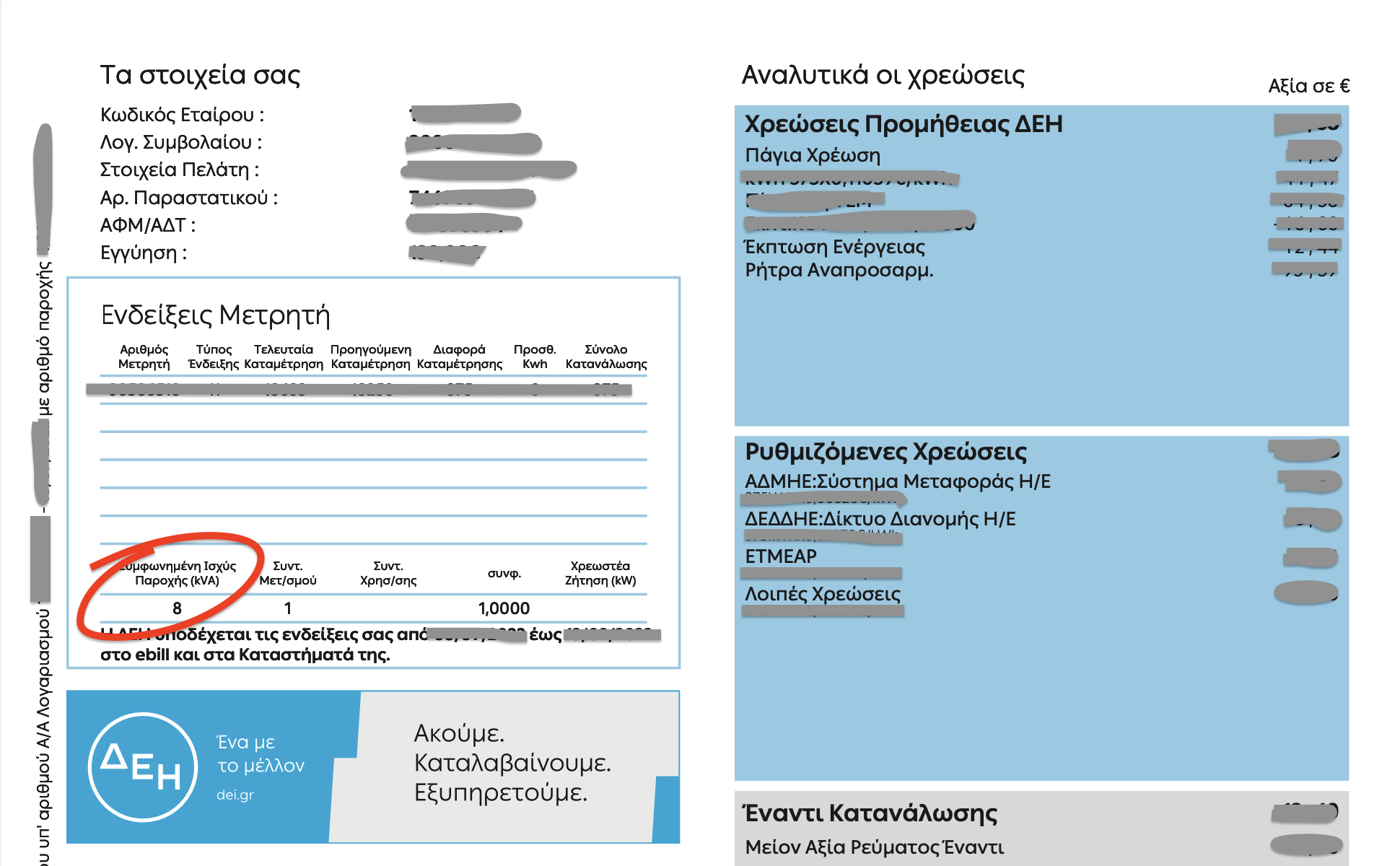
A fully electric vehicle typically uses up to 16A three-phase (11kW) or up to 32A single-phase (7.4kW). Check the supported charging speeds for your vehicle here. A 32A three-phase charger (22kW) covers all cases.
A plug-in hybrid typically uses 16A or 32A single-phase. If you charge it on a three-phase charger, it will draw power from one phase only.
You can install a single-phase charger (or a three-phase unit operating in single-phase mode). Charging speed will be lower than the vehicle’s maximum capability.
The ideal ratio is one charger per vehicle.
The ideal ratio is one charger per vehicle.
The physical installation is typically completed within one working day. The total time from order to commissioning is generally within 7 days.
Our calculator takes your power supply into account and recommends the appropriate charger. In most cases a typical residential supply of 25 kVA is sufficient for an 11 kW installation.
Installing a home charger does not require a building permit. We handle all the documentation and declaration to the grid operator, ensuring full compliance with applicable regulations.